How to (cleanly) solve the world’s food problems
Posted by staff / February 24, 2011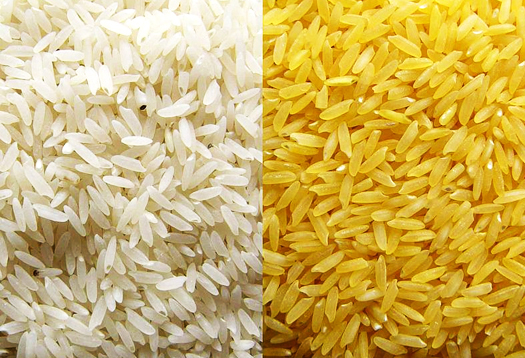
Golden rice is a perfect example of the challenges surrounding feeding the world. The genetically modified rice could go a long way to solving the world’s vitamin A deficiency problem, but its production has been held up by years of testing required by many countries.
Nina Fedoroff, professor of biology and life sciences at Penn State, says the key to feeding without polluting is being resourceful and efficient.
“We need to expand our ability to farm on land not considered farmable because it is eroded or desertified, using water not considered suitable for farming because it is wastewater or saltwater,” she says. “We need to adapt current crops to higher temperatures and less water and we need to domesticate plants that have evolved to grow at high temperatures and in salty soils.”
Full story at Futurity.
Photo credit: Wikimedia Commons
The dark side clouds everything. Impossible to see the future is…
Thanks for sharing! This gets me thinking a lot of the time we’re patching the consequences of problems we’ve created.
Question is how much time and energy are we willing to fix or mend the earth by changing our bad habits. It’s sad and I do sympathize with those on the bottom of the industrialized food chain, and that the people with a farming-local culture will somehow depend on GMO crops to survive at some point of time.
For the rest of us, be mindful that it’s a convenient sacrifice to be able to buy cheap (gov’t subsidized) and most times unhealthy food at anytime of the day. This isn’t to say things are also changing for the good. In the words of KanuHawaii.org: "small commitments for good as a whole create large impacts!"
Aloha!